
CRISPR Explained: How Scientists Edit DNA—And What It Means for Everyday Life
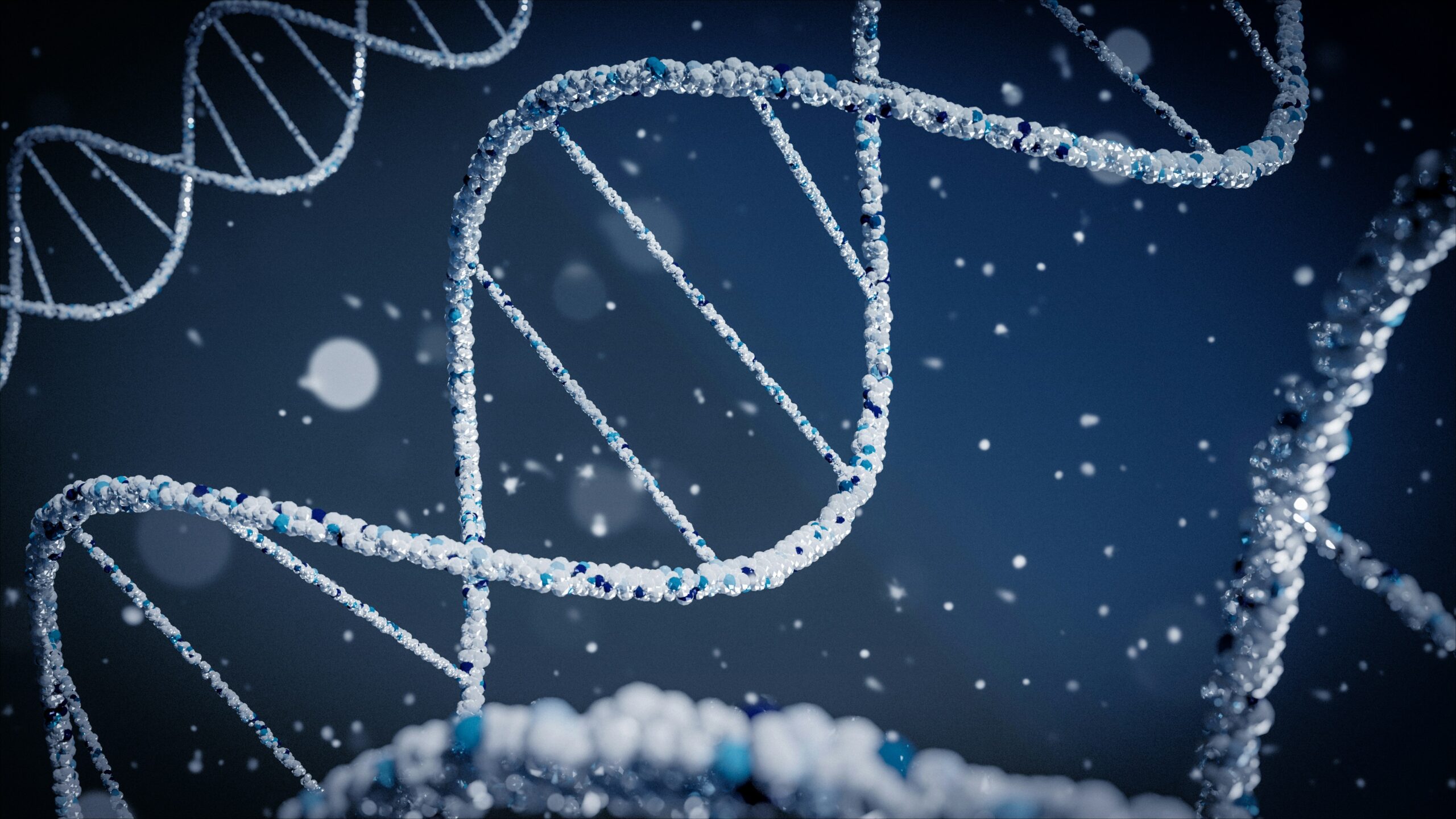
CRISPR gene editing tool allows scientists to precisely modify DNA, opening possibilities for curing genetic diseases.
Imagine you could open a document, hit “find & replace,” and fix a typo that caused the whole file to crash. Now swap the document for DNA, and the typo for a mutation. That’s the basic promise of CRISPR gene editing—a tool that helps scientists change genetic code with a precision that would have sounded like science fiction not long ago.
CRISPR didn’t start as a human invention. Bacteria built it first as a defense system against viruses. Researchers later turned that microbial trick into a programmable tool for biology—so influential that it helped earn the 2020 Nobel Prize in Chemistry.
But CRISPR is not a magic wand. It’s a powerful instrument, like a chainsaw that can also do delicate woodworking—if you know exactly what you’re doing.
Let’s break down what CRISPR is, how it works, why it matters in 2026, and what you should actually believe when you hear “gene editing.”
What CRISPR actually is (in plain English)
CRISPR stands for Clustered Regularly Interspaced Short Palindromic Repeats. That name sounds like a Wi-Fi password, so most people just say “CRISPR.”
In nature, CRISPR functions like a biological “most wanted” list. Bacteria store snippets of viral DNA from past infections. If the virus attacks again, the bacteria use those snippets to recognize the invader and cut it up.
Scientists borrowed this idea and paired it with a protein that cuts DNA—most famously Cas9. Then they added a customizable “guide” that tells Cas9 where to go.
That combination—guide + Cas protein—powers much of modern CRISPR gene editing.
How CRISPR edits DNA (the “GPS + scissors” model)
Here’s the core mechanism, step by step:
- A guide RNA (gRNA) acts like GPS coordinates. It matches a target DNA sequence.
- Cas9 (or another Cas protein) binds to the guide RNA and follows it to the matching spot in the genome.
- Cas9 cuts the DNA at (or near) the targeted location.
- The cell repairs the cut. This repair step creates the edit.
That last part matters most. Cells repair DNA in a few ways:
- Sometimes they repair the cut sloppily, which can disable a gene.
- Sometimes scientists provide a repair template so the cell can insert or correct DNA more precisely (this is harder in many cell types).
This “edit by cutting, then letting the cell repair” approach explains both CRISPR’s power and its risks.
Why everyone talks about CRISPR in medicine
The biggest headline: CRISPR-based therapies are real now
CRISPR moved beyond lab experiments and entered real-world medicine in a way that matters: regulators approved CRISPR-based treatments.
In the U.S., the FDA approved Casgevy in December 2023 for sickle cell disease (and also for transfusion-dependent beta thalassemia). The FDA described it as the first approved therapy using CRISPR/Cas9 genome editing.
This is “ex vivo” editing: doctors collect a patient’s blood stem cells, edit them in a lab, then infuse them back. That approach gives scientists more control than editing directly inside the body.
What that means for everyday life
Even if you never need a gene therapy, this shift matters because it proves CRISPR can move from theory to treatment—under strict safety and manufacturing rules.
And it also highlights a reality check: these therapies can involve intense medical steps (like conditioning chemotherapy) and complex logistics. They’re not “quick shots” yet.
CRISPR isn’t just one tool anymore
When people say CRISPR, they often mean Cas9 “scissors.” But by 2026, gene editing looks more like a toolbox.
Base editing: changing one DNA letter without cutting both strands
Base editors can convert one DNA “letter” into another (for example, C→T or A→G) without making a full double-strand break. That design can reduce some risks associated with cutting DNA.
Prime editing: a “DNA word processor”
Prime editing uses a Cas9 nickase paired with a reverse transcriptase and a special guide RNA. It can write small insertions, deletions, and substitutions with fewer double-strand breaks in many cases. Researchers often describe it as more precise than classic cut-and-repair editing, though it still faces efficiency and delivery challenges.
So when someone says “CRISPR gene editing,” it could refer to several related technologies—each with different strengths.
The big scientific challenges (aka, why CRISPR doesn’t fix everything tomorrow)
1) Off-target edits: the “wrong address” problem
CRISPR depends on matching DNA sequences. Sometimes the system binds to a similar-looking sequence and makes unintended edits. Scientists call these off-target effects.
Researchers study off-target mechanisms and build strategies to reduce them, including improved guide design and higher-specificity Cas variants.
2) Delivery: getting the editor to the right cells
Editing cells in a dish is one thing. Editing cells inside a human body is harder. The editor must reach the right tissue, enter the right cells, and work without triggering harmful immune responses.
That’s why many successful therapies so far use ex vivo editing, where clinicians can control the process more tightly.
3) Mosaic outcomes: not every cell edits the same way
Even when CRISPR hits the right spot, cells can repair DNA differently. That can produce a mix of outcomes—some desired, some neutral, and some unwanted. Clinical developers have to measure those outcomes carefully.
CRISPR in agriculture and food: quieter, but huge
Medicine grabs headlines, but agriculture may affect more people day-to-day.
Researchers use CRISPR gene editing in plants to:
- improve disease resistance,
- increase tolerance to drought or heat,
- modify traits like shelf life or nutritional profiles.
CRISPR can move faster than older breeding methods because it targets specific genes directly. Still, regulation varies by country, and public acceptance matters just as much as the science.
CRISPR also shows up in livestock research, though ethical and welfare debates become even more intense there.
CRISPR as a detective: faster diagnostics
CRISPR doesn’t only edit genes. Some CRISPR systems can detect genetic material.
Platforms such as SHERLOCK and DETECTR use Cas proteins that, after recognizing a target sequence, trigger a signal (often via collateral cleavage) that can be read out as fluorescence or a strip-style result. Researchers have explored these systems for infectious disease detection and other applications.
This matters in 2026 because faster, more portable testing can reshape how clinics and public health teams respond—especially when lab access slows things down.
The ethics: “Can we?” vs “Should we?” (and who decides)
CRISPR forces big questions, especially when editing could affect future generations.
A key distinction:
- Somatic editing affects non-reproductive cells. Changes stay with the patient.
- Germline editing affects embryos or reproductive cells. Changes could pass to future generations.
Global health bodies emphasize safety, effectiveness, transparency, and governance. The World Health Organization released recommendations and guidance frameworks on human genome editing with a strong focus on oversight and ethics.
For everyday life, this debate shapes laws, funding, clinical trial rules, and what becomes normal medical practice.
CRISPR in 2026: what’s real, what’s hype
As of January 2026, CRISPR has clearly crossed an important line: it has proven itself in approved therapies and in sophisticated clinical pipelines.
But the “every disease cured” storyline is still fantasy.
Here’s a grounded way to think about where CRISPR gene editing stands now:
What looks solid
- Ex vivo therapies (edit cells outside the body, then return them).
- Better precision tools (base editing, prime editing) that aim to reduce risks from double-strand breaks.
- Expanding clinical research in blood disorders, oncology, and rare diseases (with cautious, tightly monitored progress).
What still needs work
- Safe, reliable in-body delivery to organs like the brain, heart, and lungs.
- Lower costs and simpler treatment pathways so therapies can reach more people.
- Long-term follow-up to track durability and rare side effects.
In other words: CRISPR has matured—but it still lives in the “powerful, complicated, improving fast” phase.
A quick “CRISPR myth vs reality” checklist
Myth: CRISPR always edits perfectly.
Reality: It can make off-target changes and mixed outcomes, so developers invest heavily in detection and safety strategies.
Myth: CRISPR equals designer babies.
Reality: Most serious medical work focuses on somatic editing, while germline editing remains heavily restricted and ethically controversial.
Myth: CRISPR is one thing.
Reality: It’s a family of tools—Cas9 cutting, base editing, prime editing, and more.
What CRISPR means for you (even if you’re not a scientist)
You don’t need a lab coat to care about gene editing. CRISPR influences:
- Healthcare choices (new therapies, new diagnostic tests),
- food and farming (edited crops and supply resilience),
- policy debates (what’s allowed, funded, and regulated),
- privacy and data (genetic testing grows, and governance matters).
And it’s also a reminder that biology has entered a software-like era—except the “bugs” can involve real lives, so society will keep demanding proof, transparency, and guardrails.
CRISPR’s story in 2026 isn’t “problem solved.” It’s “tool proven, toolbox expanding, and responsibility getting real.”
FAQ
1) What is CRISPR gene editing?
CRISPR gene editing is a method scientists use to change DNA by guiding a cutting (or editing) protein to a specific genetic sequence and letting the cell repair the change.
2) How does CRISPR work in simple words?
It works like GPS + tools: a guide RNA finds the target DNA, and a CRISPR protein edits that spot so a gene can be switched off, corrected, or adjusted.
3) Is CRISPR used in real medical treatment today?
Yes. CRISPR-based therapies exist and are being used for certain blood disorders in tightly controlled clinical settings.
4) Can CRISPR cure all genetic diseases?
Not yet. Some conditions look promising, but many diseases are still difficult because delivery to the right cells and long-term safety remain major challenges.
5) Is CRISPR safe?
Scientists take safety very seriously, but risks remain—like unintended edits (off-target changes) and unpredictable repair outcomes—so treatments require extensive testing and monitoring.
6) Does CRISPR change future generations?
Most medical use targets somatic (body) cells, so changes stay with the patient. Editing embryos or reproductive cells (germline editing) is highly restricted and ethically controversial.
7)Is CRISPR used in food and farming?
Yes. Researchers use CRISPR to develop crops with traits like disease resistance or better tolerance to heat and drought, depending on local regulations.
Read other articles at: https://DecodeFacts.com