Do Crows Remember Faces? The Real Science of “Bird Grudges”
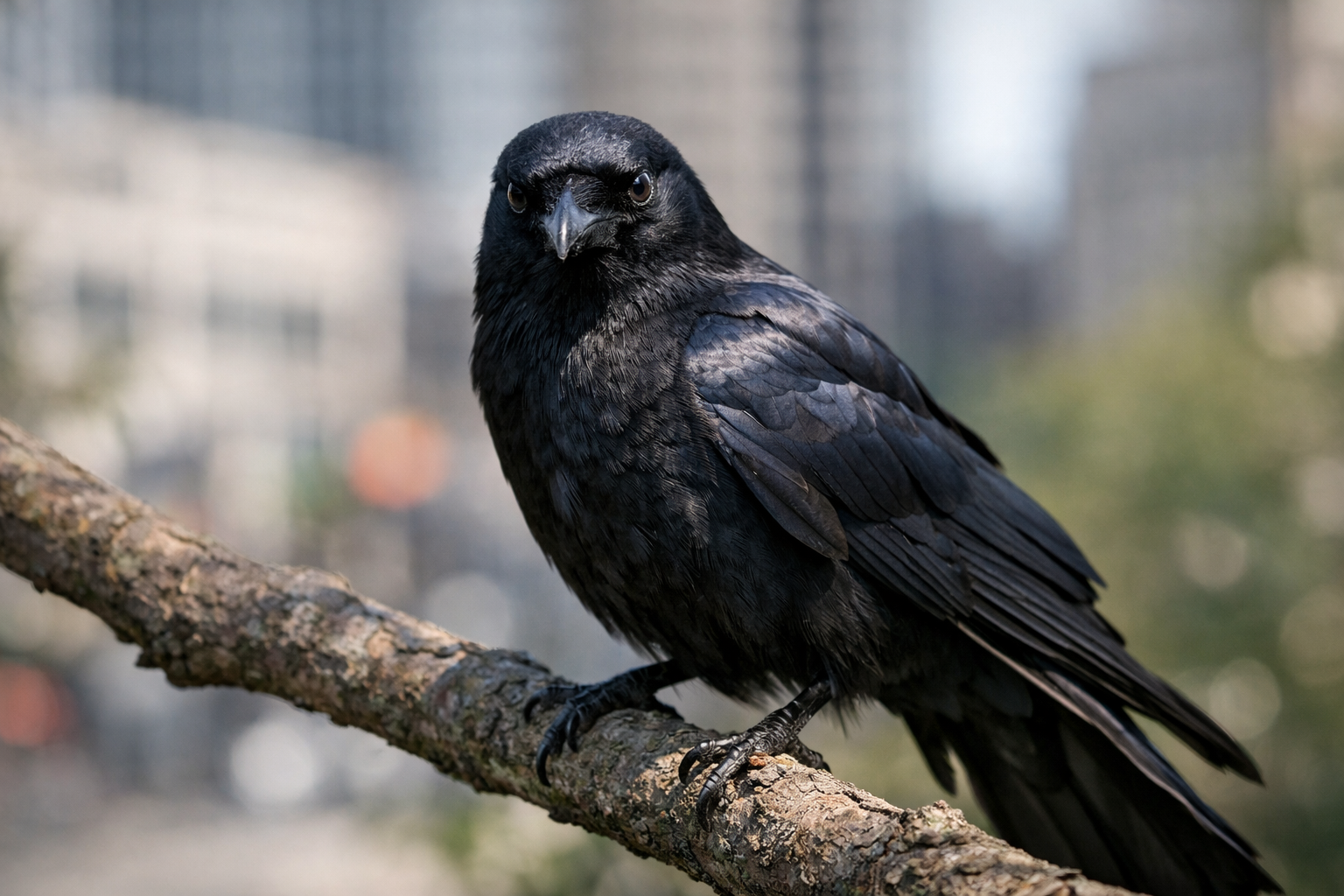
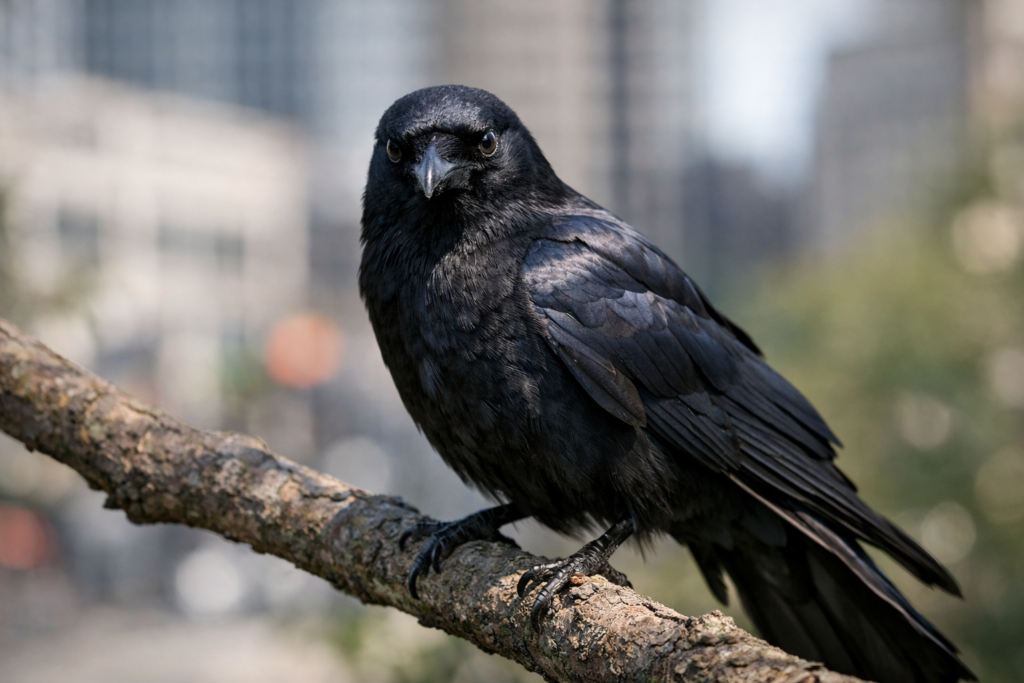
Imagine you walk past a tree, minding your own business, and a crow starts yelling at you like you owe it money. A second crow joins in. Then a third. Suddenly, you’re in a loud, feathery group chat you never asked to join.
So… do crows remember faces—and do they actually hold grudges?
Yes, they can recognize individual humans, and the evidence comes from careful experiments, not folklore. But the “grudge” part needs a small translation: what looks like spite often works more like risk management. Crows don’t write revenge diaries. They run a reputation system.
What scientists mean when they say crows “remember”
When researchers talk about crow memory for people, they usually mean two things:
- Recognition: the bird can tell one human apart from another (often using the face).
- Association: the bird links that human to a past experience—danger, neutrality, or sometimes food.
In other words, do crows remember faces as “faces”? Not in a human, selfie-obsessed way. They remember faces as useful identity markers, the same way you remember “the neighbor who helps” vs “the neighbor who blocks your parking.”
The famous “mask experiments” (and why they matter)
One of the clearest demonstrations came from research led by John Marzluff at the University of Washington.
Researchers used different masks so crows couldn’t rely on clothing, hairstyle, or your “I’m totally innocent” face. They trapped and banded some crows while wearing one mask (the “dangerous” face), and they walked around wearing another mask that never harmed the birds (the “neutral” face).
Result: crows learned the “dangerous” face quickly and scolded it later, even when the person didn’t do anything threatening in that moment. That pattern shows learning + recognition, not random aggression.
So if you’re wondering again, do crows remember faces? In controlled conditions, yes—and they can keep that memory for years.
How long can the memory last?
Here’s what strong, widely cited evidence supports:
- In a peer-reviewed study, wild American crows recognized a threatening human face and kept responding to it for at least ~2.7 years.
- Other research and long-running observations from the same research group suggest the response can persist much longer in the real world—especially when social learning keeps reinforcing the “danger” label. (This long-duration claim often appears in popular coverage and the researchers’ long-term campus observations; treat the exact maximum as less firm than the multi-year finding.)
A practical takeaway: if a crow tags you as “unsafe,” you should assume the reputation can outlive your haircut, your jacket, and your confidence.
Do crows remember faces for a long time? The best answer is: long enough that you should behave like they do.
It’s not just memory—it spreads like news
Here’s where crows become terrifyingly impressive. Crows don’t keep danger knowledge private. They share it.
A key study showed that scolding behavior toward a “dangerous” human could spread beyond the birds that got trapped. That finding supports social learning: crows can learn “this face is bad news” by watching or hearing other crows react. The researchers also reported spread over distance (over a kilometer) and persistence over years at a site.
So the “bird grudge” can become a community review.
And yes—this also explains why someone who never harmed a crow might still get scolded. If you resemble the “danger face” (mask, hat, gait) or you stand near a nest at the wrong time, you can trigger a response that started with someone else.
What’s happening inside the crow brain?
Researchers also looked at the brain side of this story. In a study published in Proceedings of the National Academy of Sciences, the team used brain imaging and found that when crows saw a threatening human face, activity increased in brain regions involved in attention, perception, and emotion/fear processing.
Translation: the crow brain doesn’t treat “that dangerous face” as trivia. It treats it as important, emotional information—the kind that sticks. That’s a big reason why do crows remember faces isn’t just a fun fact. It’s a survival mechanism.
Are they “holding a grudge” or doing smart risk math?
Let’s be honest: “grudge” is a human word. It implies moral judgment and revenge. Crow behavior usually fits a simpler model:
- They faced a threat
- They learned a cue (often a face)
- They warned others
- They used scolding/mobbing to drive danger away
That response can look personal because it targets you. But in many cases it’s closer to: “We remember that shape. We didn’t like what happened last time. Everyone, yell now.”
That’s not pettiness. That’s preventive security. Still, if you prefer the dramatic version: yes, crows can behave like tiny flying accountants of justice.
Do crows remember faces? The science says yes.
Why crows scold, mob, or dive-bomb people
Scolding and mobbing are common anti-predator behaviors in many birds. In crows, the behavior gets intense because they:
- live in social groups,
- communicate well,
- and learn quickly.
A crow’s “attack” often aims to push you away, not to injure you. The most common triggers include:
- Nesting season: you walked too close to a nest or fledgling
- Prior negative association: you (or someone similar) once scared, trapped, or threatened them
- Social transmission: other crows taught them you’re risky
If you ever wondered “Why me?” the answer may be: “Because the crow group’s memory system pointed at you.”
How to stop being the villain in a crow story
If crows already scold you, don’t escalate. You can often reduce the drama with simple steps:
- Give space. If nesting season is the cause, take a different route for a few weeks.
- Stop staring contests. Direct eye contact can read as threat in many animals.
- Don’t chase, throw, or yell. That “proves” the crow’s point.
- Change your look (briefly). A hat or different jacket can break a strong cue association. Mask-based studies show crows use visual identity cues heavily.
- Be boringly consistent. Calm, non-threatening behavior gives the birds no fresh “evidence” to keep scolding.
A note on feeding: In some places feeding wildlife causes problems, so follow local rules. The point isn’t bribery. The point is to stop looking like a threat.
Myth-busting: quick answers people get wrong
Myth 1: “A crow saw me once and hated me forever.”
Reality: crows can learn quickly, but they respond most strongly when a face links to a clear negative event.
Myth 2: “It’s supernatural.”
Reality: it’s learning + memory + social communication—amazing, but biological.
Myth 3: “They remember my soul.”
Reality: they likely remember visual cues (face/mask features), context, and emotional association. (Also, your soul probably doesn’t wear the same hat daily.)
And yes, do crows remember faces is still the right question—because face-based identity cues are exactly what researchers tested.
FAQ
Do crows remember faces for years?
Evidence supports multi-year recognition of a threatening face in wild crows, with at least ~2.7 years shown in controlled field research.
Can crows recognize you even if you wear different clothes?
Clothes can change, but studies using masks show crows can anchor recognition to facial/visual identity cues.
Do crows teach other crows who to hate?
Research supports social learning: crows can learn about a dangerous human from other crows’ scolding and mobbing, and the knowledge can spread over time and distance.
Are crows actually holding grudges?
“Grudge” is a human label. The behavior fits threat learning and community warning systems. It can feel personal because it targets individuals.
If a crow scolds me, did I do something wrong?
Not always. Nesting season, resemblance to a “danger face,” or learned community warning can trigger scolding even without a direct conflict.
Read other articles at: https://DecodeFacts.com