
Why Nostalgia Feels Stronger As People Get Older
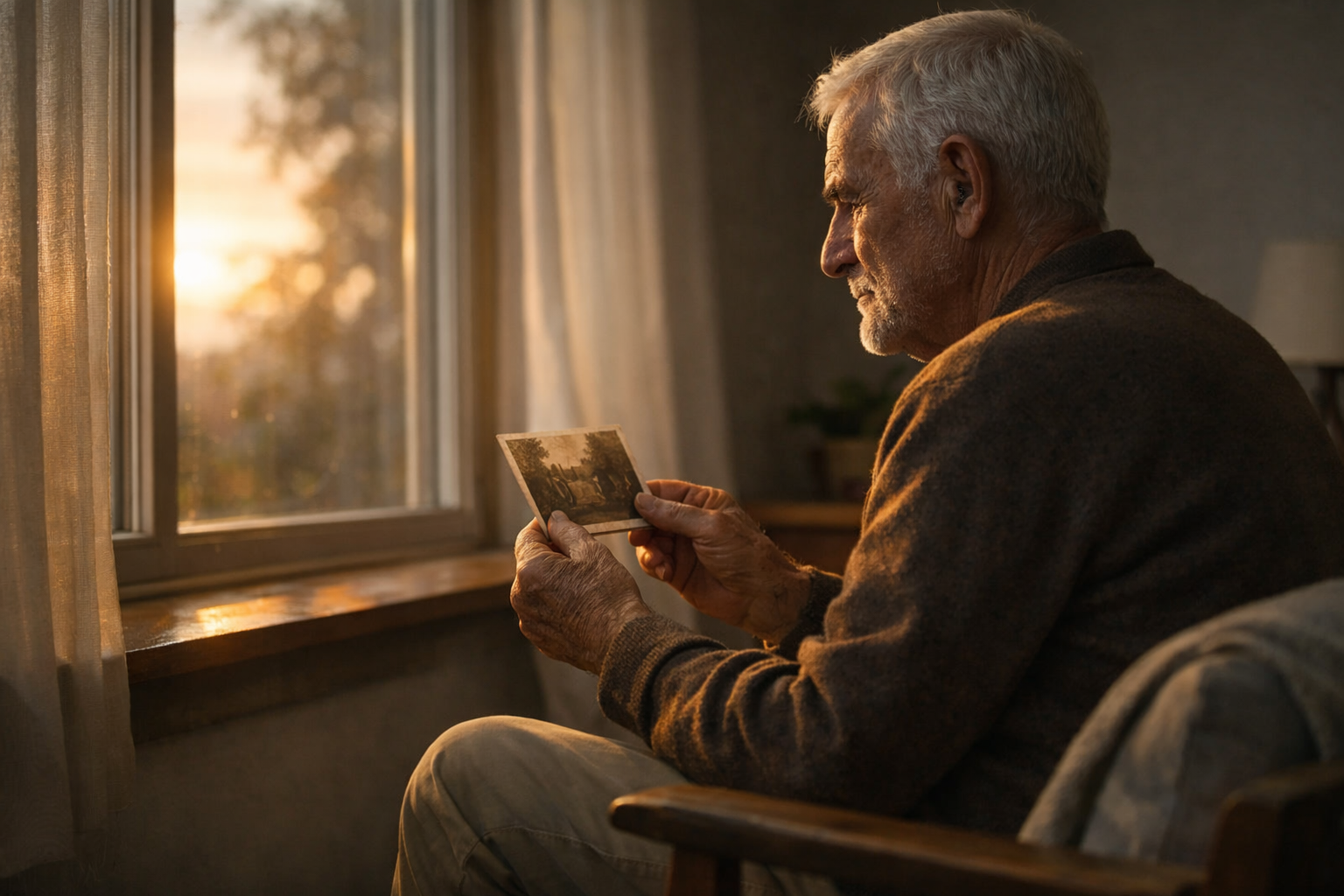
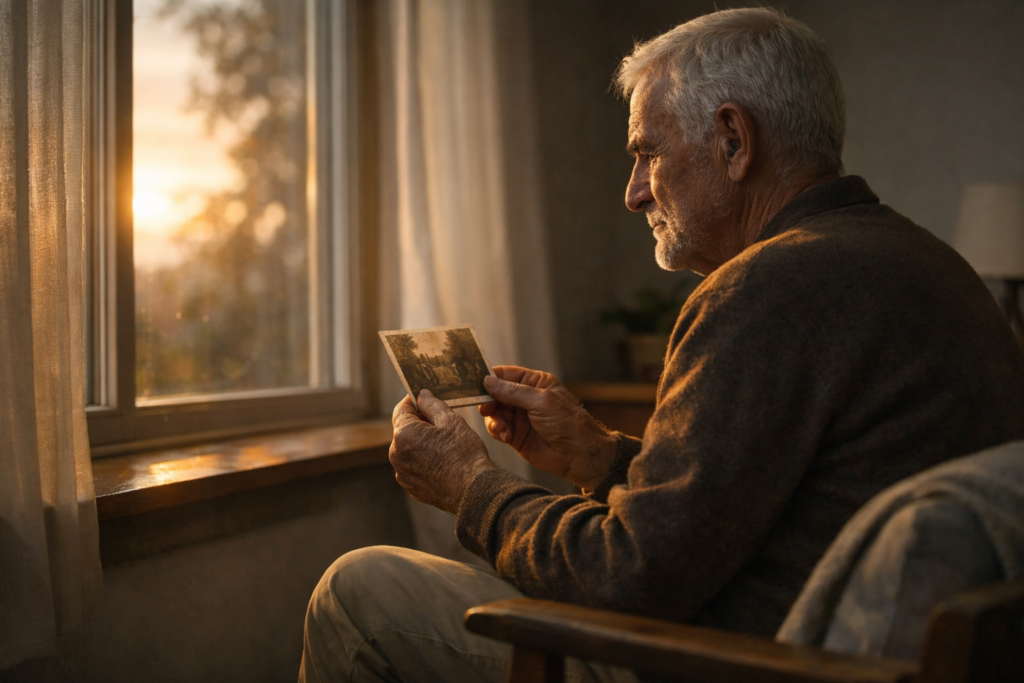
Nostalgia feels stronger as people get older because memory, identity, and life experience become more deeply connected over time. As people grow older, the past begins to hold more meaning, shaped by moments that helped define who they are today. Have you ever heard an old song and suddenly felt transported back to another time in your life? It might remind you of school days, early friendships, or a place you once lived. These memories can feel surprisingly vivid and emotional. Psychologists say this is completely normal nostalgia is the mind’s way of reconnecting with meaningful experiences and personal history.
Memories Become More Meaningful Over Time
As the years pass, people collect experiences that shape how they see themselves. Life events both big and small — slowly form a personal story. Looking back at earlier moments becomes a way of understanding that story.
When people remember childhood, family traditions, or early achievements, they are not just recalling events. They are reconnecting with meaningful parts of their identity. This is one reason nostalgia feels stronger as people get older. The past begins to feel more valuable because it represents experiences that cannot be repeated.
Emotional Memories Stay With Us Longer
The brain naturally remembers emotional moments more clearly than ordinary ones. Experiences connected to strong feelings – happiness, excitement, love, or even sadness tend to stay vivid for years. This is why a simple smell, photograph, or melody can trigger powerful memories. The brain links emotions and memory together, making those moments easier to recall later in life.
As people age and accumulate more emotionally meaningful experiences, nostalgic feelings become more common. Over time, nostalgia feels stronger as people get older simply because there is more emotional memory to draw from.
The “Reminiscence Bump” in Psychology
Researchers often talk about something called the reminiscence bump. It refers to the tendency for adults to remember events from adolescence and early adulthood more clearly than other periods of life.
These years are full of “first experiences” — first independence, first major decisions, first relationships, and important life changes. Because these moments help shape identity, the brain stores them more strongly.
Later in life, these memories remain easy to access, which is another reason nostalgia feels stronger as people get older.
Nostalgia Can Be Emotionally Helpful
Many people think nostalgia is only about missing the past, but psychology shows it can actually support emotional well-being. Remembering meaningful experiences can:
- create comfort during difficult times,
- strengthen a sense of belonging,
- remind people of their personal growth,
- improve mood.
Looking back often helps people feel connected to their life journey. In this way, nostalgia becomes less about loss and more about meaning. This emotional connection grows stronger with age, which is why nostalgia feels stronger as people get older.
Reflection Becomes More Natural With Age
As life becomes busier in younger years, people often focus on the future — studies, careers, goals, and responsibilities. Later in life, reflection becomes more natural. People begin to think more about:
- where they started,
- what they experienced,
- how they changed over time.
This reflection naturally brings nostalgic feelings. It is part of how the mind organizes life experiences into a meaningful story. Over time, nostalgia feels stronger as people get older because the past becomes richer and easier to appreciate.
Why Nostalgia Matters Today
In today’s fast-moving digital world, nostalgia appears everywhere — old music returning to popularity, classic films being remade, and childhood memories shared online.
These reminders help people slow down and reconnect with meaningful moments. Nostalgia does not stop people from moving forward; instead, it helps them understand how far they have come. Growing older does not just mean accumulating years. It means accumulating memories — and those memories are what nostalgia brings back to life.
Read other articles at: https://DecodeFacts.com